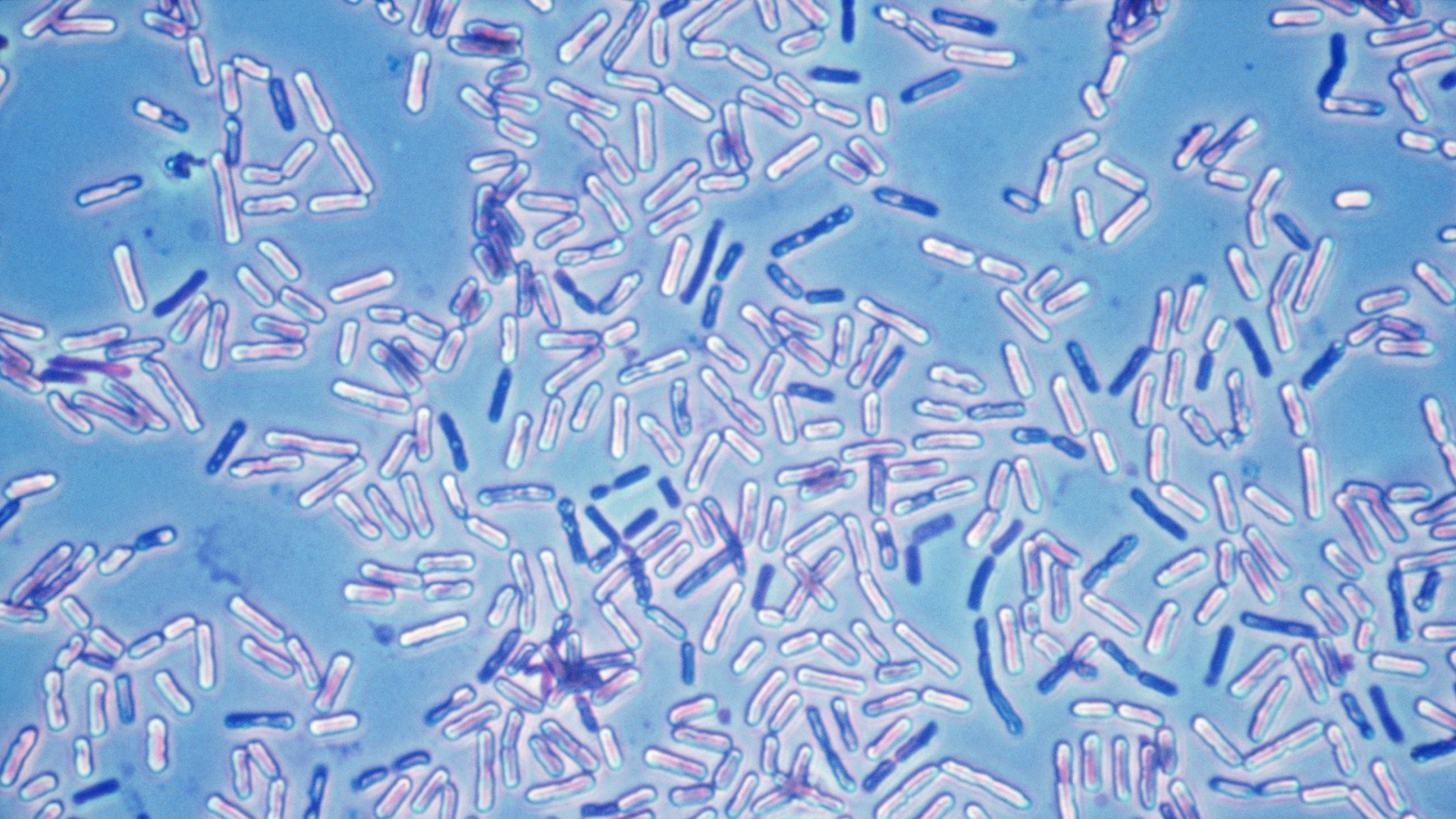
Our microbiome is home to over a thousand species of gut bacteria. Fibre is their food source—but 95% of adults don’t consume enough.
Mind
Higher fiber intake is linked with decreased risk of depression. (Every daily additional 5g of fiber is associated with ~5% lower risk in adults.)*
Scientific Research
Dietary fiber intake, depression, and anxiety: a systematic review. https://pubmed.ncbi.nlm.nih.gov/36692989/
Fiber intake and fiber intervention in depression and anxiety. https://pubmed.ncbi.nlm.nih.gov/38007616/
Gut
Prebiotic fibers (e.g., inulin/GOS) increase beneficial bacteria like Bifidobacterium in randomized trials and support digestive health.*
Scientific Research
Dietary fiber intake and gut microbiota in human health (review). https://www.ncbi.nlm.nih.gov/pmc/articles/PMC9787832/
Randomised clinical trial of fibre-rich legumes targeting colonic biomarkers. https://bmjopen.bmj.com/content/14/2/e081379
Colon
High fiber intake is linked with reduced risk of diverticular disease. Consuming about 30g per day is associated with a 41% lower risk vs. low intake in meta-analysis.*
Scientific Research
Dietary fiber intake and gut microbiota in human health (review). https://www.ncbi.nlm.nih.gov/pmc/articles/PMC9787832/
Randomised clinical trial of fibre-rich legumes targeting colonic biomarkers. https://bmjopen.bmj.com/content/14/2/e081379
Joints
Fiber-driven SCFAs help balance joint inflammatory pathways; a 6-month prebiotic RCT in knee OA improved physical function and body composition, with mechanistic reviews linking SCFAs to cartilage/subchondral protection.*
Scientific Research
Effect of prebiotic fiber on physical function and gut microbiota in adults with knee osteoarthritis and obesity (RCT). https://link.springer.com/article/10.1007/s00394-024-03415-w
Links between short-chain fatty acids and osteoarthritis from pathology to clinic via gut–joint axis (review). https://stemcellres.biomedcentral.com/articles/10.1186/s13287-025-04386-3